


By Ziba Balkhi
When the border between Afghanistan and Pakistan closed amid escalating tensions between the two neighbours, Somaya Nadari’s mother lost access to the treatment that had been keeping her alive.
For the past three months, Somaya says her mother has been unable to obtain the medication she needs. “She is in pain day and night,” Somaya says. “Sometimes the pain wakes her in the middle of the night and it’s so bad she cries. She can’t eat anything, just drink milk.”
Somaya, 22, says her mother has been battling stomach cancer for nearly two years. After an unsuccessful operation at a hospital in Kabul, the family had took her to Pakistan, where treatment was both available and affordable.
But that lifeline has now been cut.
Following recent political and security tensions, the Taliban halted the import of medicines from Pakistan and closed the border between the two countries. The decision has had immediate and devastating consequences for patients across Afghanistan who depend on imported drugs or travel abroad for treatment.
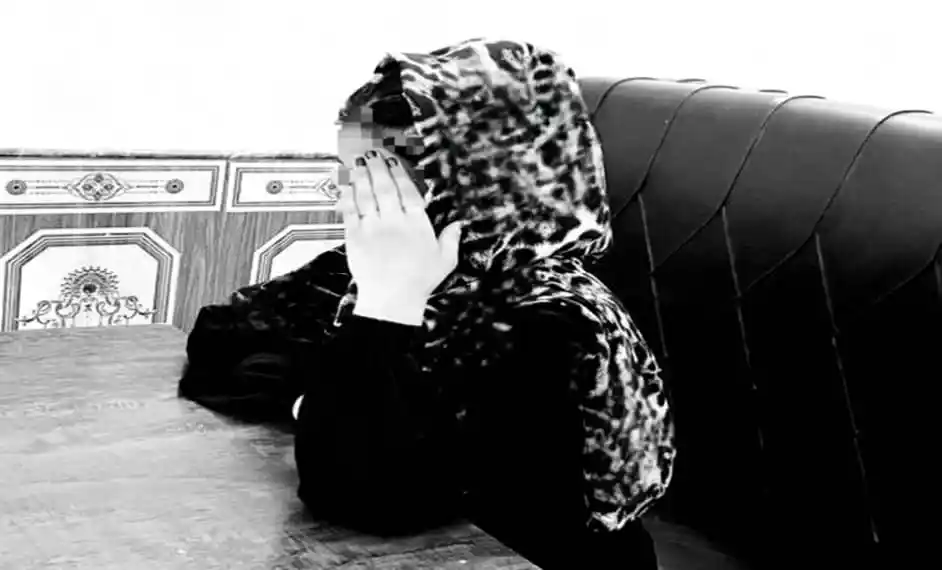
Image: supplied- Somaya Nadari
Before the closure, Somaya says, her mother’s medicine was available in pharmacies because it was imported from Pakistan. “Her condition was better then,” she says. “Now we can’t find the medicine anywhere.”
The border has remained largely shut since clashes in October that reportedly killed more than 70 people. Islamabad has accused Kabul of harbouring militant groups responsible for attacks inside Pakistan, an allegation the Taliban deny.
Hundreds of students, traders and families have been left stranded, unable to travel in either direction. Pakistan’s foreign ministry said on Saturday that nearly 1,200 people – including 549 students – had approached its embassy in Kabul seeking help to return.
For almost two years, Somaya had taken her 56-year-old mother, Farzana* to Islamabad every four months for treatment. “That trip was the only way she could get proper care,” she says. Her mother’s next appointment is now overdue, and her condition has worsened in recent weeks.
At least 70% of medicines used in Afghanistan are imported from Pakistan, according the Taliban health ministry. Since the border closed, the Taliban have ordered traders to settle their accounts with Pakistani partners and stop medicine imports altogether. Officials say they are seeking alternatives from countries such as India and Iran, but for now, patients say these measures offer little relief.
“My brother searched several provinces,” Somaya says. “The medicine just doesn’t exist here.”
Others share the same struggle.
Banafsha*, 38, has spent weeks searching for medication for her 10-year-old son, who has epilepsy. For years, his seizures have been controlled with drugs imported from Pakistan.
“Every pharmacy tells us the same thing,” she says. “‘We had it, but it’s finished.’”
Without the medicine, her son’s condition has deteriorated sharply. “He has seizures day and night. Sometimes he loses consciousness several times a day. His body shakes, his breathing becomes difficult,” she says. “The alternative medicines don’t work.”
Eventually, Banafsha managed to locate a single bottle of the drug her son needs, but at more than double the previous price. “We used to buy it for 160 afghanis,” she says. “Now it’s 370 – and that’s for just one bottle.”
Like many Afghan families, Banafsha had relied on Pakistan for treatment that was unavailable at home. Her son was due to travel there in October. “We tried every hospital here, including the French hospital in Kabul,” she says. “Nothing helped. Pakistan was our only hope.”
Najla*, 47, tells a similar story. Her 19-year-old daughter suffers from chronic immune thrombocytopenia, a long-term condition that reduces blood platelets and increases the risk of bleeding. The disease cannot be treated in Afghanistan, she says, and requires travel to Pakistan every three months.
Her daughter’s last treatment was due in late November. “Because of the border closure and our poor financial situation, we couldn’t go,” Najla says.
Pakistan’s proximity and relatively affordable healthcare have long made it a destination for Afghan patients. With the border closed, that option has vanished.
Pharmacists warn that the situation is spiralling. Bashir Ahmadi, who sells medicines in the northern province of Balkh, says shortages have fuelled price hikes and black-market sales.
“The pharmaceutical market has turned into chaos,” he says. “People sell at whatever price they want. Pakistani medicines still exist, but at extremely high prices – and the authorities have banned their sale.”
Afghan and Pakistani diplomats have held talks seeking to end their dispute, but there have been no breakthroughs. As they negotiate, families like those of Somaya, Banafsha and Najla continue to hunt for medicine that may never come.
*Names of interviewees have been changed for their protection

