

By Azada Tran
Like many Afghan girls, Nasiba Daytabar spent her teenage years terrified her father would pull her out of school and marry her off – education in his view was wasted on girls.
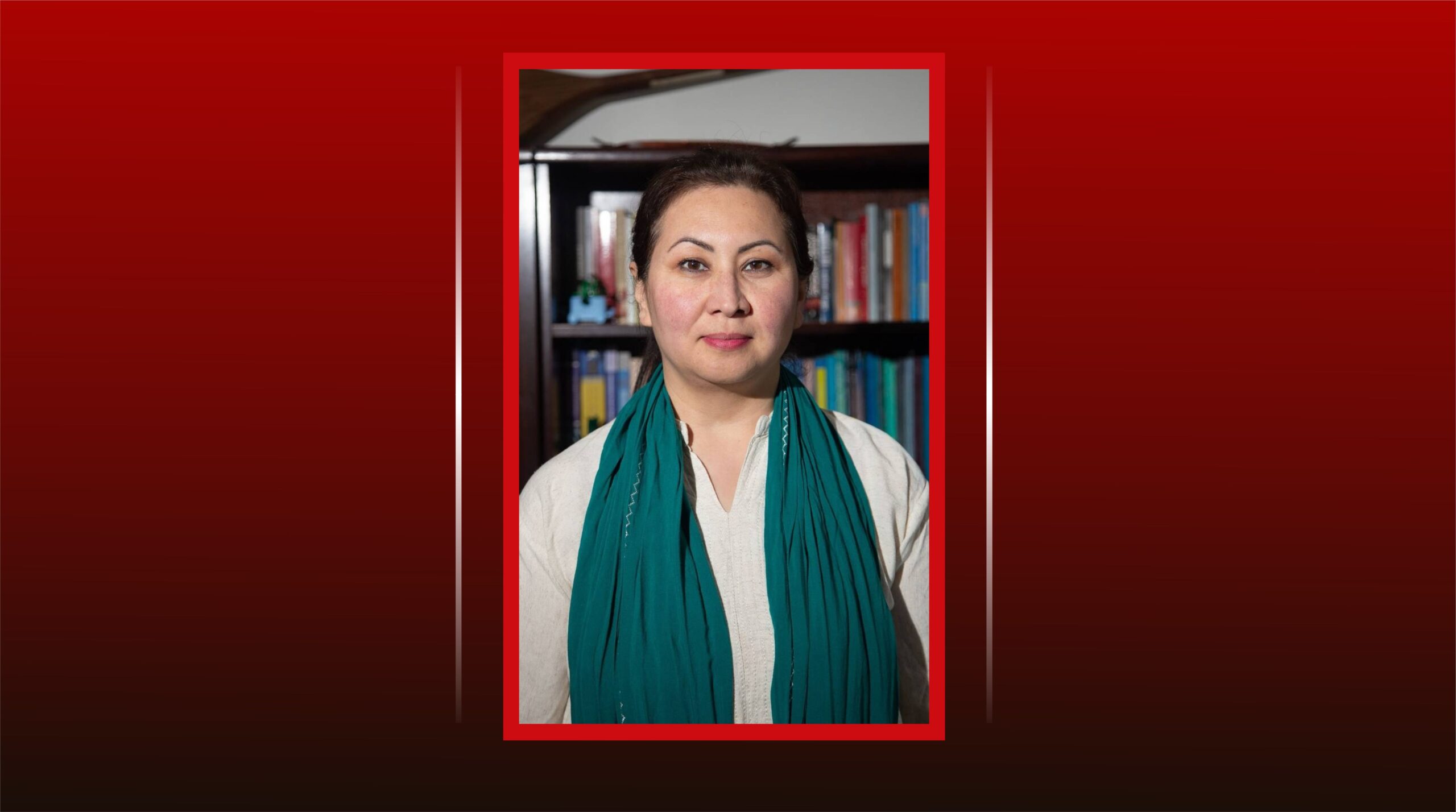
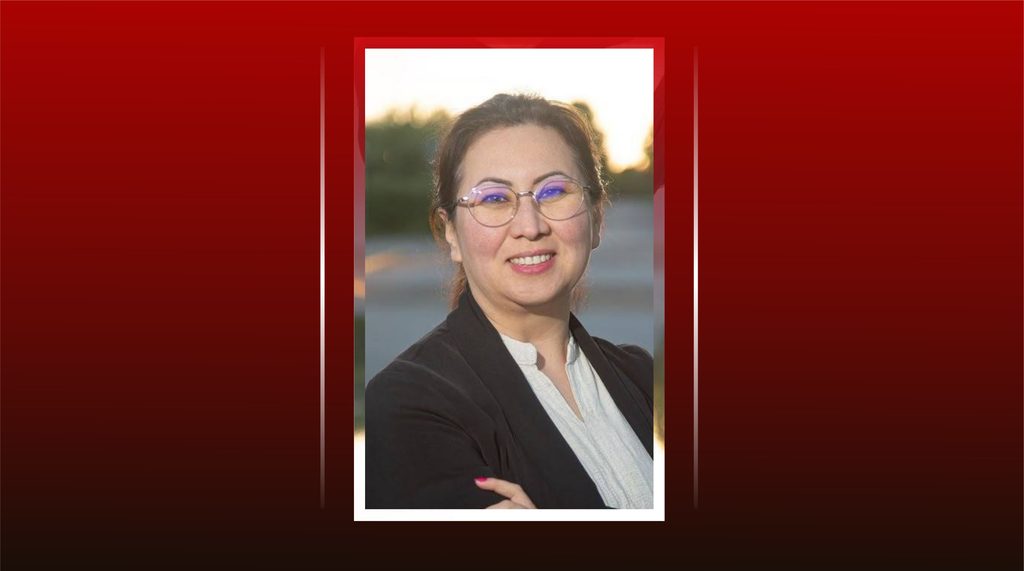
But today Daytabar, 44, has a master’s degree in human rights and recently ran for parliament in her adopted homeland of Sweden.
A prominent member of Sweden’s centre-left Green Party, Daytabar is a passionate advocate for migrant rights and highly respected among the country’s sizable Afghan diaspora.
Although she did not win a seat in the September 13 general election, her nomination to stand is remarkable for the deep poverty and severe discrimination she has overcome.
Daytabar was born in the Iranian capital Tehran in 1982 after her family migrated from Daikundi province in central Afghanistan. Her father was an agricultural labourer and money was scarce.
“When I was in primary school, my father would cut a pencil in half, and each half had to last me a month,” she told Rukhshana Media. “The pencil would become so small that I couldn’t even hold it between my fingers.
“In winter, I had no socks. I went to school in fabric shoes that became completely soaked with melted snow, leaving my feet freezing. But I carried on. My only concern then was learning.”
Most Afghan migrant children in Iran lack residency documents and struggle to access education. Daytabar’s mother battled with the authorities to get her a school place, but her father never saw the point.
“I spent my school years under so much stress and fear. At any moment, I thought my father might stop me going to school,” Daytabar said.
“He used to say that a girl shouldn’t go to school. A girl has to get married.”
When Daytabar was 14 her father ordered her to quit school and marry a cousin. When she refused, he beat her.
With her mother’s support, Daytabar finished school and eventually secured a scholarship to study political science at the University of Tehran. But when she arrived there, she discovered she had to pay a small fee towards basic expenses.
“I didn’t know what to do,” she said. “My father neither had that sort of money nor would he have given it to me … I cried and cried.”
She sold her computer and earrings to pay for the first term, later obtaining financial support from a scholarship programme run by the U.N. refugee agency.
A NEW LIFE
After graduating in 2009, Daytabar wanted to go to Afghanistan where opportunities were growing for women.
But her father opposed the idea and arranged for her to marry an Afghan man with Swedish citizenship.
She did not know a word of Swedish when she moved to her new home in 2010, but she immediately felt a huge sense of freedom – a release from the discrimination that had for so long trammelled her life.
“The fact I had the same rights as other Swedish citizens was remarkable to me,” she said.
“I’d spent my whole life in Iran, labelled ‘Afghan’, without any rights. But here, I could study and work without discrimination. There were also no longer any restrictions hanging over me, telling me that, as a woman, I had no right to do something.”
Sweden gave her the chance to build a new life, she says. She learnt the language, went back to university and joined the Green Party, where she now sits on the gender equality and diversity committee.
She works at Stockholm City Council, training staff how to support girls and women facing “honour” abuse – violent and coercive behaviour perpetrated by families in the name of protecting their “honour”. Issues she deals with include child marriage and forced marriage.
Daytabar is also an elected member of the municipal council in Järfälla, the northern suburb of Stockholm where she lives with her husband, a building engineer, and two children.
She is keeping an open mind about her future, but says she may stand in the European Parliament elections in 2029.
Her motivation in running for Sweden’s parliament was partly to give a stronger voice to the country’s migrants. About a fifth of Sweden’s 10.6 million inhabitants were born abroad, but she says their perspectives are often missing in politics even though they work, pay taxes and contribute to society.
Aside from domestic issues, Daytabar continues to speak up for women in Afghanistan. She says governments must never legitimise the Taliban who have deprived women of basic rights since grabbing power in 2021.
“I tell (the women of Afghanistan) I will do everything I can to be your voice … and to speak about you everywhere, so that no country recognises the Taliban,” she said.
As for her father, Daytabar says he now firmly supports girls’ education.
“He is proud of me,” she said. “His views have changed completely.”

