

By Sina Saadi
The family of an Afghan teenager jailed by the Taliban for five years after refusing to marry an influential tribal figure in his 70s have appealed to the group’s supreme leader for help to secure her release.
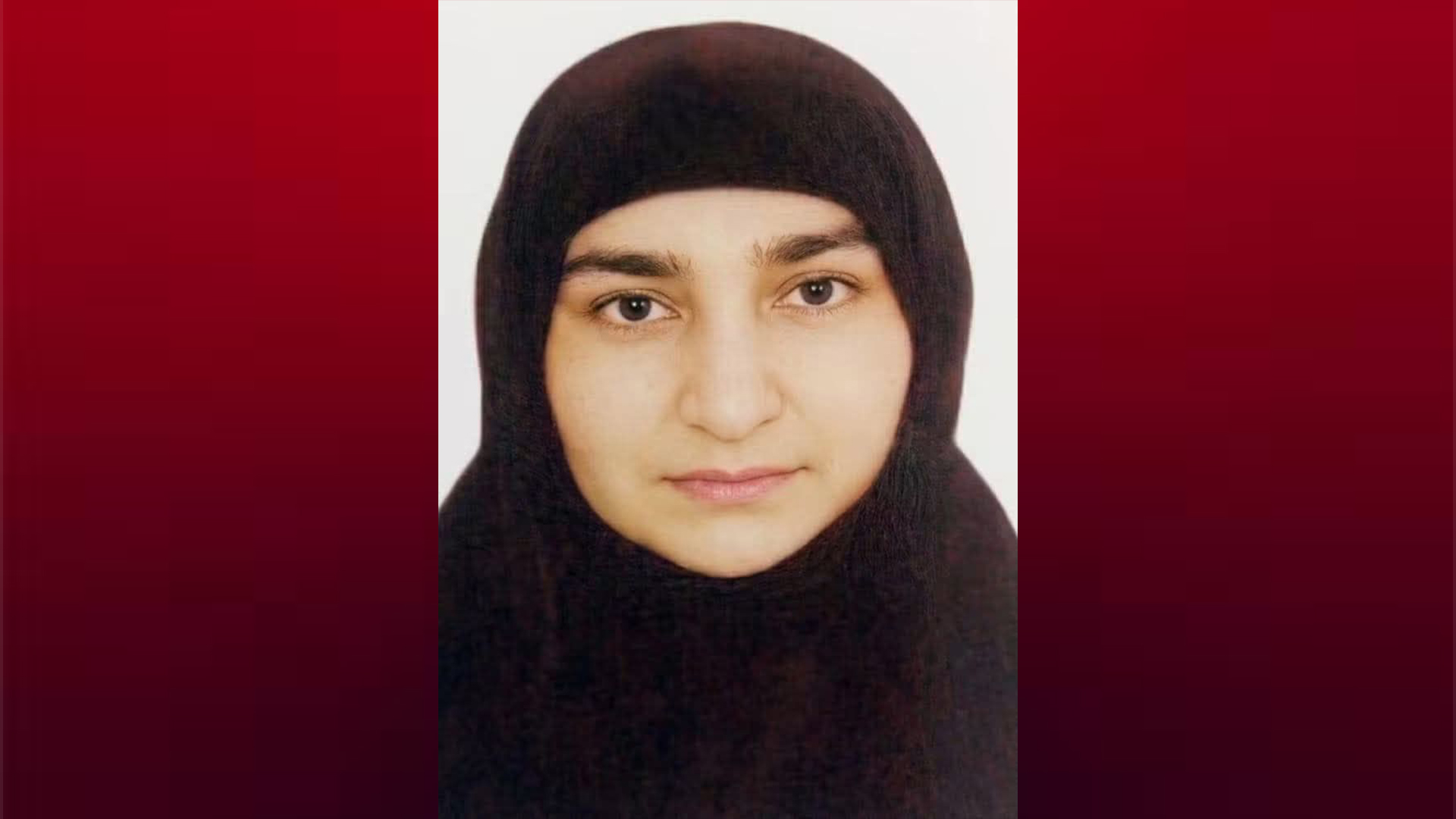
Legal documents show that Khudai Nazar, a wealthy Pashtun who is close to the Taliban, first forced Bibi Siddiqa to move into his home five years ago when she was about 12 years old in payment of a 400,000 Afghani ($6,280) debt owed by her father.
Two years later, Nazar asked her father to make arrangements for his marriage to Siddiqa. When her father refused, Nazar threatened to kill him, according to a source familiar with the case.
Nazar, who already has three wives, continued to hold Siddiqa captive, but she was released after six months and placed under Taliban supervision following mediation by Turkmen tribal elders.
Siddiqa’s family are ethnic Turkmen from Badghis province in northwestern Afghanistan, but her father, Rajab, worked as a labourer for Nazar at his home in Kandahar city in southern Afghanistan.
Legal documents obtained by Rukhshana Media show that two Taliban courts in Badghis province reviewed the case with both ruling in Nazar’s favour. However, Siddiqa refused to accept the decision, and she was eventually sentenced to five years in prison.
Although Siddiqa was jailed in late 2024, details of the case only emerged recently after her mother sent a video appeal to Afghan media pleading for help.
The family have also sent a legal petition and letter to the office of Taliban Supreme Leader Mullah Hibatullah Akhundzada in Kandahar asking him to intervene.
The petition seen by Rukhshana Media said Nazar had tried to rape their daughter on one occasion, but the family’s shouting stopped him.
Taliban officials have not commented publicly on the case.
Siddiqa, now 17, was recently transferred from Kandahar prison to a jail in Qala-e-Naw, capital of Badghis province, according to the source who spoke on condition of anonymity.
In her video appeal, Siddiqa’s mother Qurban Gul said her daughter’s health had deteriorated, describing her condition as “very serious”.
“We have nowhere to turn,” she said, speaking in Turkmen.
“(My daughter) gets sick every day, and she is not receiving proper medical treatment in prison. Please help us by bringing our case to the attention of the United Nations and human rights organisations.”
The source told Rukhshana Media that people in Siddiqa’s home village in Bala Murghab district, near the border with Turkmenistan, were willing to repay her father’s debt.
Rukhshana Media has heard many reports of Taliban members forcibly marrying young girls since the group seized power in 2021.
Afghanistan has no clear legal minimum age for marriage. Earlier this year, the Taliban issued a decree legalising child marriage with the consent of a male relative.
Under a traditional practice in Afghanistan called baad, girls are sometimes used to settle disputes and debts, with father’s handing over daughters for marriage or to work as servants. Baad was banned under a 2009 law, which the Taliban has since abolished.

