

By Emma Batha
Note: We urgently need your financial support to continue our work in Afghanistan, where an ongoing gender-based crisis is deeply affecting women and girls. Your support can help us continue standing with those in need. Every contribution makes a difference. Thank you for your solidarity and generosity.
Fund raising link: https://www.justgiving.com/page/rukhshanamedia
August 15 marks five years since the Taliban seized Afghanistan – five years which have changed the lives of millions of girls and women beyond all recognition.
Banned from studying or working, many are now virtual prisoners in their own homes. Since 2021, the Taliban have issued about 80 decrees impacting girls and women. Here is a snapshot.
Education: Girls are banned from attending secondary school or university. About 2.4 million girls have been deprived of education, severely limiting both their opportunities and the country’s development. In 2024, the Taliban also banned women from training as doctors, nurses and midwives – among the last professions open to them.
Employment: Women have been barred from almost all jobs, including roles with international humanitarian groups and UN agencies. There are very limited exceptions for jobs in primary education and healthcare. Before the Taliban takeover, women made up a quarter of the civil service, nearly 13% of judges and 16% of prosecutors. Women were active in most professions and increasing numbers ran their own businesses.
Public and political life: Women have been shut out of public life and decision-making. Before the takeover, women held more than a quarter of parliamentary seats. The Taliban have also clamped down on civil society organisations. Most former women MPs, judges, journalists and rights activists are in exile or hiding.
Freedom of movement: Women need a male chaperone (mahram) to travel, use public transport or even visit a health centre. They are also banned from driving. The Taliban recently said women should not leave home without their husband’s permission.
Public spaces: Women are banned from parks – including parks previously designated as women only – gyms, public baths and other recreational places. They cannot participate in cultural activities.
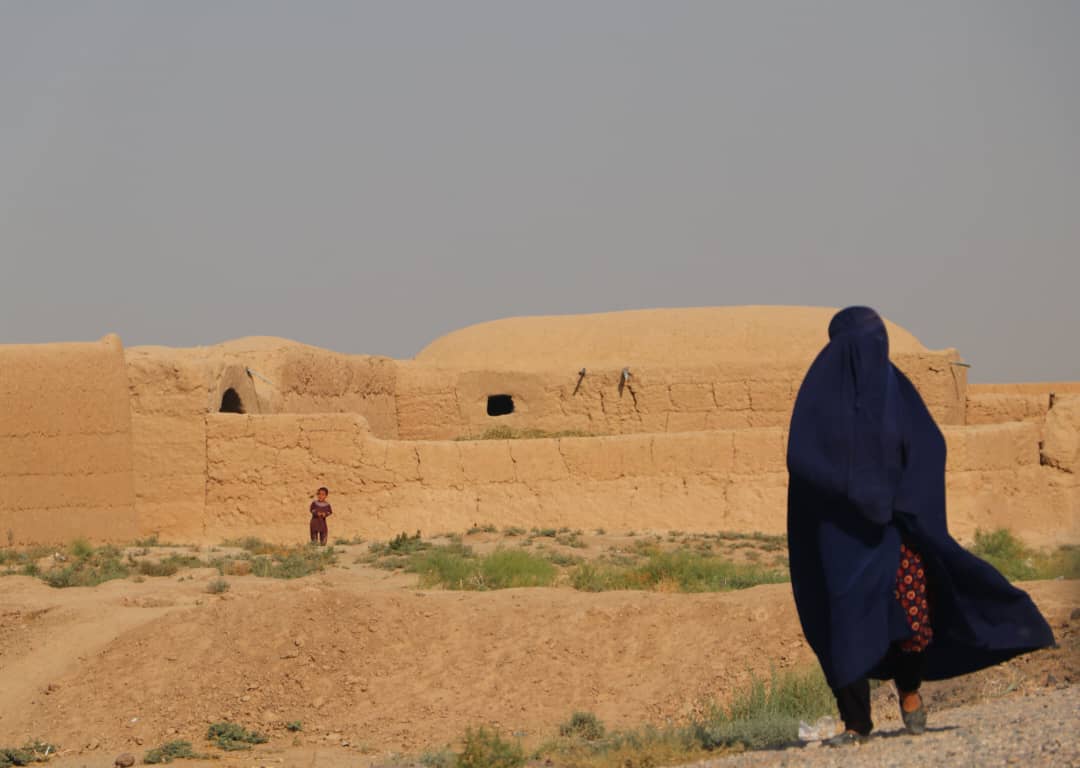
Dress: Women must cover their entire body and face when in public. They cannot decorate their hijab or add perfume. Prior to the Taliban takeover, many younger women wore Western clothing with a loose headscarf.
Policing and punishments: The Taliban have reintroduced public flogging and stoning as punishments for adultery, although it is unclear whether any stonings have been carried out. The Taliban’s so-called morality police frequently harass and detain women for alleged infringements of dress codes and other rules. There are widespread reports of women being raped and assaulted in Taliban prisons.
Access to justice: Women have no judicial recourse to challenge the many restrictions imposed on them. Special police units and courts set up under the previous government to handle family disputes and cases of domestic and sexual violence have been dismantled. All women’s shelters have shut. Taliban laws allow husbands to beat their wives and effectively block women from seeking divorce.
Media: Some regions have banned the broadcast of women’s faces and voices. Elsewhere, women must wear a face covering on TV. They cannot appear alongside male presenters or work in mixed newsrooms. Female journalists face restrictions in accessing information. They are largely barred from interviewing Taliban officials or attending press conferences. Women are also banned from TV dramas.
Sport: Women and girls are barred from sports and competitions. The country’s female athletes compete in exile. Women’s gyms had become increasingly popular in larger cities before the Taliban takeover.
Child marriage: The ban on girls’ education and deepening poverty are driving more parents to marry off their daughters early. A decree published in May suggests girls as young as nine can be wed. About 29% of girls in Afghanistan marry under the age of 18 and nearly 10% before 15, according to data published by UNICEF in 2023.
Maternal and child mortality: Afghanistan has one of the highest maternal mortality rates in the world, but risks are increasing. Factors include the high rate of child marriage and deteriorating health care. The ban on midwifery schools will compound the risks.
General health care: The ban on girls’ education will cut off the supply of women doctors and health workers, with dire repercussions for women’s health care. Rules stipulating that women must have a mahram to attend health centres and that female health workers must have a mahram for home visits already restrict access to care.
Freedom of expression: Journalists and women’s rights activists risk intimidation, arbitrary arrest, detention and torture. The Taliban have cracked down on women’s protests, most recently in Herat.
“Morality” law: In 2024, the Taliban announced that women should not read, sing or speak in public. The so-called morality code says women should not even be heard singing or reading aloud from inside their home, as their voices are a source of temptation. The restriction on speaking outside the home has not been enforced.
Beauty salons: The Taliban have shut down beauty salons. These not only served as important places for women to socialise, but also provided employment for thousands of women.
Weddings: Women cannot wear make-up, hair extensions or perfume for wedding and engagement parties. Music is forbidden and people cannot sing or dance. Couples can no longer exchange rings, which the Taliban say is a Christian tradition.

